
Ontario Basement Flood Insurance: What’s Covered and What’s Not?
For Ontario homeowners, a flooded basement is one of the most financially devastating events that can happen to a property. The average cost of basement flood damage in an urban area sits around $42,000, and that number climbs quickly once you factor in finished basement renovations, appliances, and personal belongings.
What makes it worse for many homeowners is discovering, only after the water has entered, that their standard home insurance policy does not cover it. When it comes to Basement flooding insurance, Ontario home insurance does not automatically include it in a basic policy. To be properly protected, most Ontario homeowners need to add optional endorsements, and understanding which ones you need starts with knowing the difference between sewer backup and overland water coverage.
This guide walks you through everything: what basement flooding insurance in Ontario covers, what it excludes, how much it costs, and what you can do to reduce your risk and potentially lower your premiums.
What Does a Standard Ontario Home Insurance Policy Actually Cover?
Before getting into add-on options, it helps to understand what a standard home insurance policy in Ontario does and does not include when it comes to water damage.
A standard policy is built around sudden and accidental damage. That means a standard home insurance policy covers internal water events like burst pipes or a broken pipe inside the home, water damage from a washing machine, dishwasher, or bathtub overflow, a leaking hot water tank, accidental water damage from domestic water containers, and ice dams on the roof and roof leaks causing water to enter from above.
What is notably absent from a standard policy is any protection against water that enters from outside the home. Standard home insurance coverage in Ontario generally does not cover basement flooding caused by heavy rainfall, overland surface water, sewer backup, or rising ground water. These require separate, optional endorsements. That gap is exactly why basement flooding insurance in Ontario, in the form of optional additional coverage, exists. Many Ontario homeowners are unaware of this until they find themselves standing in a flooded basement after a storm, which is far too late to add coverage.
It is also worth knowing that gradual damage is excluded universally. If water has been slowly seeping through your basement walls or floor drains over time, home insurance policies will not cover that, regardless of what endorsements you carry. Coverage applies to sudden and accidental events only, not ongoing deterioration or poor drainage resulting from deferred maintenance.
What Is Sewer Backup Coverage? What It Covers and Why Ontario Homeowners Need It
Sewer backup is one of the leading causes of basement flooding in Ontario, and it is especially common in older urban neighbourhoods where municipal infrastructure was not built to handle today’s storm volumes. When heavy rainfall overwhelms the sewer system, wastewater reverses direction and flows back into homes through floor drains, basement sinks, and toilets. The result is often raw sewage flooding a finished basement, damaging flooring, drywall, appliances, and personal property.
According to the Insurance Bureau of Canada, water damage has replaced fire as the primary cause of home insurance losses in Ontario. Sewer backup claims are rising due to climate change and aging infrastructure, and the July 2024 flash floods in Toronto and southern Ontario alone caused over $940 million in insured damage.
Sewer backup coverage is not included in most standard home insurance policies and must be purchased as a separate add-on. When added to your policy, sewer backup protection typically covers damage from raw sewage or wastewater backing up through floor drains, toilets, or basement fixtures, cleanup and decontamination costs, replacement of damaged personal property and structural elements in finished basements, and, in many policies, damage from a malfunctioning sump pump or failed battery backup.
How Much Does Sewer Backup Coverage Cost?
Sewer backup coverage is one of the more affordable endorsements available. Most Ontario homeowners pay somewhere between $20 and $250 per year, with costs varying based on location, the age of the home, and whether preventative devices are already installed. Insurance companies often offer discounts to homeowners who have installed backwater valves, sump pumps with battery backup, or other flood prevention equipment, so the investment in prevention can directly reduce what you pay for coverage.
What Is Overland Flood Insurance? Protection Against External Water Sources
Overland flood insurance, sometimes called overland water coverage, is a different type of basement flooding insurance in Ontario that addresses a different problem entirely. Where sewer backup coverage protects against what comes up through your pipes, overland flood insurance covers what comes in from outside.
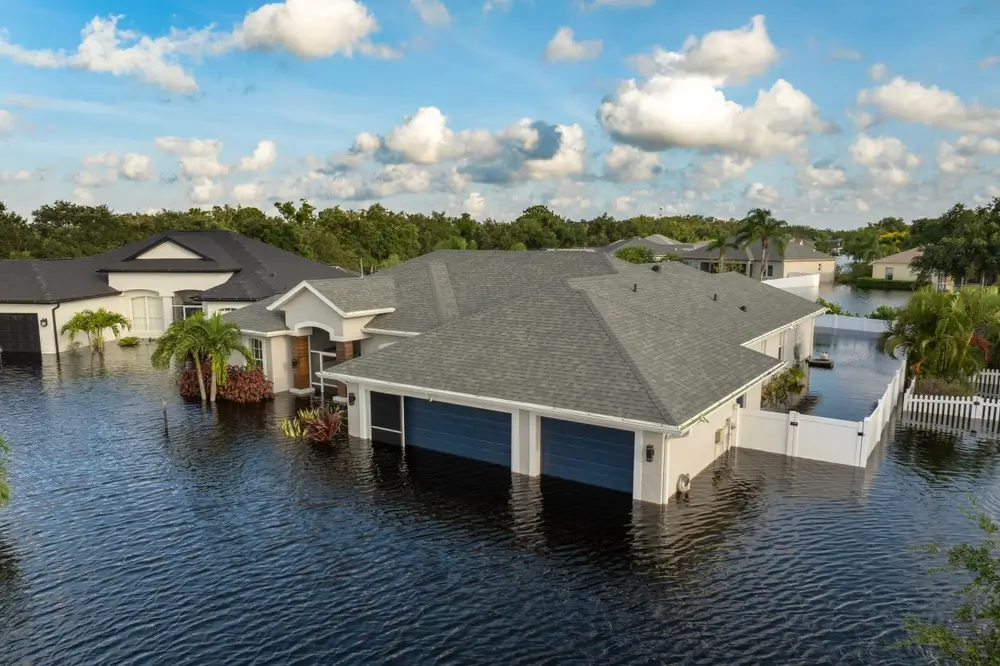
Overland flooding occurs when surface water, from heavy rainfall, rapid snowmelt, or overflowing rivers and lakes, accumulates on the ground and enters your home at or above ground level. Think of water pouring through window wells, under doorways, or through foundation cracks as it pools around your home’s exterior during and after a severe weather event.
Without proper overland flood insurance, Ontario homeowners may not qualify for the provincial Disaster Recovery Assistance program following a major flooding event. This alone makes it worth carrying if you are eligible.
Overland water coverage is a relatively newer product in Ontario home insurance, and not all properties qualify. If your home is in a designated high-risk flood zone, some insurers may decline to offer it or price it significantly higher. For those who can access it, overland flood insurance typically covers surface flooding from heavy rain or melting snow accumulating around your home, water entering above-ground level through doors, windows, or above-grade foundation cracks, flooding from overflowing rivers, lakes, or other freshwater bodies, and sewer backup that occurs as a direct result of overland flooding.
One important distinction: overland flood coverage in Ontario applies to freshwater only. It generally does not protect against storm surge, tidal waves, or coastal flooding from saltwater. It also does not cover groundwater intrusion, which requires a separate endorsement.
Not sure if your policy covers sewer backup or overland water? Talk to a McDougall advisor and get clear answers.
How Much Does Overland Flood Insurance Cost?
Costs vary considerably depending on your property’s risk profile. In low-risk areas, overland water coverage can sometimes be added alongside sewer backup at little or no additional cost. For moderate-risk areas, costs typically range from $10 to $30 per month. In higher-risk areas, premiums can climb significantly. Note that in Ontario, you generally need to carry sewer backup coverage before you can add overland water coverage; it is not available as a standalone product.
What is Groundwater Coverage? A Third Layer of Protection
Beyond sewer backup and overland flood insurance, there is a third type of basement flooding coverage in Ontario worth knowing about: groundwater coverage. This protects against water seeping through foundation walls or floors as a result of rising groundwater, situations where the water table rises, and water pushes up from beneath the home or laterally through basement walls.
Groundwater coverage is the least commonly offered of the three options and is not available from all insurers. However, if your home sits in an area with a high water table, has experienced groundwater intrusion before, or is located near bodies of water, it is worth asking your insurance representative whether it can be added to your policy. As with other water damage endorsements, coverage applies only when the event is sudden and accidental; chronic or gradual seepage is excluded universally.
Sewer Backup vs. Overland Water: What is the Difference?
Understanding the difference between these two types of basement flooding insurance in Ontario is essential for knowing what protection you actually need.
Sewer backup coverage protects you when water enters through floor drains, toilets, or basement fixtures as a result of an overwhelmed municipal sewer system during heavy rain. It often also covers sump pump malfunction. It is available as a standalone endorsement and costs most Ontario homeowners between $20 and $250 per year. It does not cover overland or groundwater flooding.
Overland water coverage protects you when water enters from outside at or above ground level, caused by heavy rain, snowmelt, or overflowing freshwater bodies. It also covers sewer backup triggered directly by surface flooding. It typically costs $10 to $30 per month, and in low-risk areas, it is sometimes included at no additional cost when you carry sewer backup coverage. It requires sewer backup coverage to be in place first and does not cover groundwater, storm surge, or saltwater coastal flooding.
The key takeaway is that a single severe weather event can trigger both types of flooding simultaneously. Heavy rainfall can overwhelm the sewer system and produce surface water accumulation at the same time. Carrying both endorsements provides the most complete basement flooding insurance coverage in Ontario for the majority of homeowners. Flood insurance often comes with higher deductibles and specific limits on payouts for water damage, so it is worth reading the fine print carefully before purchasing any add-on coverage.
What Are the Common Causes of Basement Flooding in Ontario?
Understanding how water gets into a basement helps clarify which coverage is most relevant to your home. The leading causes of basement flooding in Ontario include:
- Heavy rainfall overwhelming municipal drainage systems,
- Sewer backup from an overburdened municipal system during or after heavy rain,
- A malfunctioning sump pump or failed battery backup during a storm,
- a cracked foundation allowing groundwater or surface water to enter through the basement walls,
- Clogged floor drains causing wastewater to back up, ice dams forming on the roof and forcing water into the structure,
- Burst pipes or a broken pipe due to freezing winter temperatures,
- A hot water tank or washing machine malfunction, causing sudden accidental water damage
- Melting snow saturating the ground faster than drainage systems can manage.
Some of these causes, like burst pipes and appliance malfunctions, fall under sudden and accidental water damage and are typically covered by a standard home insurance policy. Others, like sewer backup and surface flooding, require specific add-on endorsements. Knowing the difference before you file a claim is essential.
Checkout:
- 5 Tips To Prevent Your Basement From Flooding
- Flooded Basement? Are You Insured?
- What Is Sewer Backup Coverage And Why Do You Need It?
- What to do when the ground is frozen and then it rains?
- Everything You Need To Know About Your Sump Pump
- What Does My Insurance Cover When It Comes To Water Loss?
How to File a Basement Flooding Insurance Claim in Ontario
Submitting a claim for basement flooding involves several steps, and the process can vary depending on your provider and the type of flooding involved.
First, prioritize safety. Before entering a flooded basement, shut off the electricity to that area at the breaker. If the flooding involves raw sewage, avoid direct contact with the water and take appropriate precautions.
Next, control further damage. If it is safe to do so, try to stop the source of water. Remove standing water and move personal property out of harm’s way. The goal is to limit further damage while preserving the scene for documentation.
Then, document everything before cleanup begins. Take detailed photos and videos of all damage. Document the water source, all affected areas, and damaged belongings. This documentation supports your home insurance claim and demonstrates due diligence in your property care.
After that, contact your insurance representative as soon as possible. Have your policy number ready and be prepared to describe the source of the flooding, the extent of the damage, and the steps you took immediately after. Understanding the specific exclusions in your homeowner’s policy is crucial; the type of water and the path it took into your home will largely determine whether your claim is covered.
Finally, use the experience to review your coverage. If your basement flooding was not covered because you lacked the right endorsements, add sewer backup protection, overland flood insurance, or both before the next heavy rainfall season arrives.
Basement flooding can happen fast — make sure your coverage keeps up. Review your policy with an expert.
How to Protect Your Basement and Potentially Lower Your Premiums
One of the most effective things an Ontario homeowner can do is proactively reduce the risk of basement flooding before a storm hits. You can prevent basement flooding by addressing both exterior and interior vulnerabilities in advance. Routine maintenance avoids most basement flooding situations and also demonstrates responsible homeownership to insurance providers, which can facilitate claims and sometimes result in lower premiums.
Key prevention equipment and measures include:
- Installing a backwater valve on your main sewer line to prevent sewage from flowing back through floor drains,
- Installing or upgrading your sump pump and adding a battery backup so it continues to work during power outages,
- Ensuring proper grading around your foundation so surface water flows away from your basement walls,
- Regularly cleaning eavestroughs and downspouts,
- Inspecting your foundation for cracks and sealing them,
- Checking and maintaining floor drains and drainage systems inside and outside your home.
Many Ontario cities offer subsidies for installing flood-preventive devices. Toronto offers subsidies of up to $3,400 for backwater valves and sump pumps. Ottawa offers grants of up to $1,000 for residents impacted by sewer backups. Check with your municipality to see what programs are available in your area.
Preventative measures for flooding can reduce risk and potentially lower your insurance premiums over time. The installation of flood prevention devices will not only help protect your basement. It may also make your home more insurable in higher-risk areas where coverage can otherwise be limited or expensive.
How to Make Sure You Have the Right Basement Flooding Insurance in Ontario
Basement flooding insurance in Ontario typically means combining two optional endorsements, including sewer backup coverage and overland flood insurance, on top of a standard home insurance policy. Neither is included automatically, and both matter for comprehensive protection against the weather-related flooding that Ontario increasingly experiences.
When reviewing your home insurance policy, pay close attention to whether sewer backup coverage is included or needs to be added, whether overland water coverage is available for your specific property and neighbourhood, specific exclusions, deductibles, and payout limits for each water-related endorsement, whether groundwater coverage is offered and relevant to your home’s location, and what preventative measures or devices might qualify you for a premium discount.
If your home is in a high-risk flood area, be aware that some insurance companies may decline overland water coverage or charge significantly higher premiums. In those cases, speak with your insurance representative about all available options and invest in preventative measures that reduce your exposure.
Readmore:
- Why You Should Get Homeowners Builders Risk Insurance
- Before You Start Renovating – Explaining “Builder’s Risk” Insurance
Final Thoughts
Basement flooding is among the most stressful and costly events an Ontario homeowner can face. The financial impact can easily reach tens of thousands of dollars, and the disruption to daily life can stretch for weeks. The good news is that the right basement flooding insurance in Ontario, combined with smart prevention measures, can significantly reduce both the risk and the financial blow.
Standard home insurance covers sudden and accidental damage from internal sources like burst pipes, but not flooding from external sources like heavy rain or sewer backup. Sewer backup coverage and overland flood insurance fill those gaps, and for most Ontario homeowners, carrying both is the most sensible approach. Add preventative measures like backwater valves and properly maintained drainage systems, and you are not only protecting your basement; you are demonstrating the kind of responsible homeownership that insurers reward.
If you are unsure whether your current policy provides the protection you need, now is the right time to find out. Reach out to your insurance representative, review your home insurance policy, and make sure you have the right coverage in place before the next heavy rain rolls through Ontario.
McDougall Insurance is one of Ontario’s most established and trusted insurance brokerages, with decades of experience helping homeowners find the right coverage for their unique needs. With access to a wide network of leading insurance providers, McDougall offers tailored solutions that go beyond standard policies, including specialized protection for risks like basement flooding, sewer backup, and overland water. Their team of knowledgeable advisors takes the time to understand your home, your location, and your concerns, ensuring you get clear guidance and coverage that truly protects what matters most.

You Might Want to Read

September 14, 2026
Welcome UnitedLink Insurance to the McDougall Team!

July 8, 2026
What Do Accident Benefits Cover in Ontario?

July 8, 2026
Who Should NOT Opt Out of Accident Benefits (Ontario Guide)