
If you’re comparing coverage options, you can also explore the best insurance quotes for Ottawa car insurance to see how accident forgiveness fits into your overall policy and pricing.

Accident Forgiveness in Ottawa: Car Insurance 2026
Accidents happen. Even careful, experienced drivers can find themselves in a car accident caused by a moment of distraction, the icy Ottawa roads, or an unexpected move by another driver.
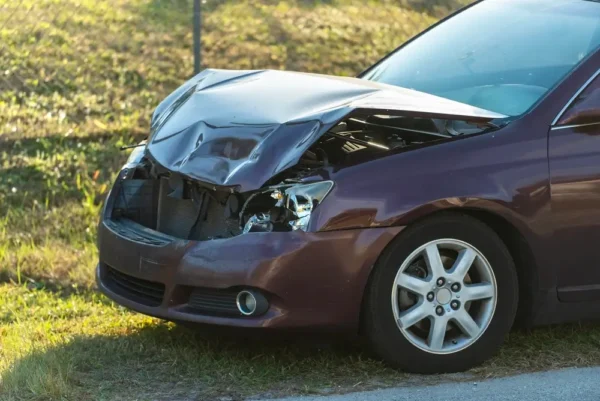
When an accident is determined to be at fault, including an at-fault collision or hit and run, the financial impact can last for years through higher car insurance premiums, especially for the at-fault driver, along with added car damage, property damage, potential medical expenses, and the need for financial compensation under mandatory coverage.
That is where accident forgiveness comes in. Accident forgiveness in Ottawa is an important topic for drivers who want predictable auto insurance rates, stable accident benefits coverage, and long-term peace of mind. In Ottawa, accident forgiveness is an optional car insurance endorsement that prevents premium increases after the first at-fault accident. This optional coverage can protect you from a sharp premium increase after your first at-fault accident, but it does not work in every situation or for every specific accident tied to your car insurance policy.
Below, we break down how accident forgiveness insurance works in Ontario, who qualifies, when it helps, when it does not, and how to decide if it is worth adding to your auto insurance policy alongside other coverage options in Ontario, such as liability coverage, accident benefits coverage, uninsured automobile coverage, and direct compensation property damage.
Understanding Accident Forgiveness in Ottawa Auto Insurance
As an optional feature, accident forgiveness coverage is offered by some insurance providers and prevents your auto insurance premiums from increasing after your first at-fault accident. Some drivers also refer to this type of protection as an accident waiver or added accident protection, although coverage terms, accident benefits, financial compensation, and legal defence can vary based on your person’s individual insurance profile and assessed risk factors.
This type of insurance protection is not automatic and must be added to your insurance policy before an at-fault accident occurs to be effective. The coverage is typically purchased as an endorsement for an additional annual fee, with the cost of adding the OPCF 39 endorsement generally ranging between $30 – $40 per year, although some insurers may price it closer to $50 to $100, depending on the policy, vehicle, or whether you drive an electric vehicle.
To summarize, in Ontario, accident forgiveness prevents an increase in your premium after your first at-fault accident. It is often added as an endorsement, officially known as the OPCF 39 endorsement in Ontario, and is designed to protect your rate, but it does not affect your repair costs, car-repair timeline, depreciation deduction, or specified perils outlined in your car insurance policy.
Rather than removing an accident from your history, accident forgiveness should be viewed as rate protection. The accident will still be documented on your driving record and remain visible to insurers during the claims process, including evaluations related to direct compensation property damage.
Accident forgiveness coverage applies on a per-vehicle basis, meaning it is tied to individual cars, trucks, motorcycles, or motorhomes rather than to you as a driver across all vehicles.
What the Accident Forgiveness Endorsement Actually Covers
The accident forgiveness endorsement is specifically called the OPCF 39 endorsement in Ontario. This endorsement protects your insurance rate after your first at-fault accident while keeping your existing liability coverage, third-party liability, and accident benefits coverage unchanged, including uninsured automobile coverage and direct compensation property damage, which are part of Ontario’s mandatory coverage.
Accident forgiveness does not cover costs associated with your at-fault claim, such as deductibles, damages to your vehicle, car damage, property damage, medical expenses, rental vehicle costs, or losses covered under specified perils. You are still responsible for repair costs under your auto insurance coverage, even when removing the depreciation deduction, which is available through additional coverage under your car insurance policy.
It also does not erase the accident from your driving record; it only prevents a premium increase for the first at-fault accident. The collision remains on your driving record for six years, even if your premium does not increase due to having coverage with the same insurer.
Think of accident forgiveness as a free pass on pricing, not responsibility or direct compensation.
Eligibility Requirements for Accident Forgiveness Insurance
- Clean driving record required: Insurance providers typically require a clean driving record to qualify for accident forgiveness insurance, showing a history of safe driving, no recent serious incidents, and a strong profile as the principal driver, generally meaning no driving incidents for approximately six years.
- No recent at-fault claims: Accident forgiveness is only available if you have not had an at-fault claim on your record for at least the last six years.
- Continuous insurance history: Insurance providers typically want you to have been insured continuously over the last six years to qualify for accident forgiveness. Gaps in coverage, past claims, or traffic convictions can affect eligibility.
- Must be added before an accident: Accident forgiveness is an optional coverage that can be added to your policy before an at-fault accident occurs. Once an accident happens, it is too late to add this endorsement.
- Eligibility varies by insurer: Not all insurance companies penalize drivers in the same way for an at-fault accident, and Accident Forgiveness is available from several insurers in Ottawa, each with specific eligibility criteria.
When Accident Forgiveness Helps Most
Drivers with a clean driving record
Accident forgiveness is most valuable for drivers who have maintained a clean driving record over several years. If you have practiced safe driving, maintained consistent driving habits, and avoided previous claims, accident forgiveness can protect you financially when your first at-fault accident happens, even if it is unexpected.
Protection after your first at-fault accident
An accident forgiveness endorsement typically only applies to your first at-fault accident. This means your insurance provider will not increase your auto insurance premiums at renewal after that initial at-fault claim. However, subsequent accidents will likely lead to a premium increase, even if the first one was forgiven.
Minor accidents with limited vehicle damage
If you experience one minor accident or a minor collision that results in limited vehicle damage, accident forgiveness can prevent your car insurance premiums from rising. Even small repair costs can trigger higher rates without this coverage, making accident forgiveness especially useful in these situations.
Drivers in high-risk or high-traffic environments
Drivers who frequently operate in high-risk environments may find accident forgiveness particularly valuable. Daily commuters, urban drivers, and those driving during peak traffic hours in Ottawa face more congestion, more distractions, and a higher likelihood of collisions, even when driving defensively.
Unexpected fault due to road or weather conditions
Accident forgiveness can also help safe drivers who unexpectedly find themselves at fault due to poor road conditions, winter weather, or unpredictable actions by another driver. In these cases, accident forgiveness offers peace of mind by protecting your insurance premiums after a single mistake.
Checkout:
- Young Drivers Insurances
- Experienced Drivers Insurance
- Do Males Pay More Than Females On Car Insurance?
- Careless Driving in Ontario
- High risk driver insurance
When Accident Forgiveness Does Not Help
Accident forgiveness does not apply to subsequent accidents. If you have more than one at-fault claim, your insurance premiums will increase.
If you switch to a new insurance provider, they will see your accident history, which can affect the rate they offer you. Accident forgiveness is usually tied to the same insurance company and may not transfer, meaning the accident forgiveness endorsement may not apply, and your new insurer will still factor your accident history into their pricing.
High-risk driver classifications, impaired driving, or any criminal code offence are not protected by accident forgiveness insurance.
How Much Accident Forgiveness Costs vs. Potential Savings
Accident forgiveness typically costs between $30 – $40 per year to add to your auto insurance policy. When compared to the potential premium increase from an at-fault accident, the cost is relatively small. A single at-fault accident can cause your car insurance premiums to increase significantly, typically ranging from 20% to over 100%.
Over six years, those higher premiums can add up to thousands of dollars. Accident forgiveness can help save money by preventing that first premium increase, although insurance companies use different pricing models, so the exact amount you save depends on your insurer, driving history, and risk profile.
Accident Forgiveness and Your Driving Record
An at-fault accident will typically stay on your driving record for up to six years, affecting your insurance premiums during this period. Accident forgiveness does not remove the accident from your driving history, so if you apply for insurance with a different insurance provider, they will still see the accident and factor it into your rate.
Provincial systems also vary, as Manitoba public insurance and British Columbia operate under different insurance corporations and pricing structures than those used for Ontario drivers, which also includes provinces such as Nova Scotia.
How Can I Protect My Auto Insurance Premiums from Increasing?
Accident forgiveness is one tool, but it is not the only way to manage higher premiums.
- Increasing your deductible can help lower your insurance premiums after an accident.
- Bundling your insurance policies can lead to discounts and lower overall costs through home and auto insurance or car and home insurance options, including approved discounts and filed and approved discounts.
- Defensive driving courses, maintaining an accident-free record moving forward, and avoiding traffic convictions can improve your risk profile over time.
- Comparing car insurance rates before renewal can make a significant difference. Not all insurance companies penalize drivers in the same way for an at-fault accident, so shopping around for quotes can help manage costs.
Is Accident Forgiveness Worth It for Ottawa Drivers?
Accident forgiveness is not a legal requirement in Ontario, but it is a recommended option for drivers with a clean record.
If you are a safe driver who drives regularly in Ottawa traffic and wants protection against unexpected premium increases, accident forgiveness insurance is often worth the small annual cost.
Your insurance provider will assess your driving history, claims history, and overall risk profile, including industry-wide factors. Working with an experienced broker helps ensure you choose the right optional coverage for your situation, and in Ontario, car insurance brokers usually do not charge a fee, as they are paid by insurance companies through commissions.
As of July 1, 2026, Ontario will implement auto insurance reforms that make many previously mandatory accident benefits optional. Reviewing your auto insurance policy now is more important than ever, especially since when you lend your car to someone in Ontario, you are also lending your insurance coverage, which can affect your insurance rates and claims history.
Readmore:
FAQs About Accident Forgiveness in Ottawa
Is accident forgiveness mandatory in Ontario?
No. Accident forgiveness in Ontario is optional and must be added to your auto insurance policy. It is not required by law, but many insurance providers recommend it for drivers with a clean driving record who want protection against unexpected premium increases.
Does accident forgiveness cover vehicle repairs?
No. Accident forgiveness does not cover repair costs, deductibles, or damages to your vehicle. Your regular car insurance coverage, such as collision or comprehensive coverage, still applies to vehicle repairs after an accident.
Can accident forgiveness be used more than once?
No. Accident forgiveness typically applies only to your first at-fault accident. Once it has been used, any future at-fault claims will usually result in higher car insurance premiums at renewal.
Will accident forgiveness remove the accident from my record?
No. Accident forgiveness does not erase the accident from your driving record. The accident will still be documented and visible to insurance companies, even though your premium may not increase with your current insurer.
What happens if I change insurance companies?
If you switch insurance companies, your new insurer will see your accident history. Accident forgiveness usually does not transfer between insurers, and your new rate may be adjusted based on your driving record.
Does accident forgiveness apply to secondary drivers?
Coverage for secondary drivers depends on the insurance provider and the terms of your insurance policy. Some insurers apply accident forgiveness only to the primary driver, while others may include listed secondary drivers.
Is accident forgiveness worth it for minor accidents?
Yes. Even one minor accident or minor collision can lead to higher car insurance premiums. Accident forgiveness can help prevent a rate increase after a small at-fault incident that would otherwise affect your insurance costs for years.
Does accident forgiveness apply to criminal convictions?
No. Accident forgiveness coverage does not apply to criminal convictions such as impaired driving or serious traffic offences. These situations significantly increase risk and are handled separately by insurance companies.
Talk to a Local Ottawa Insurance Expert
Accident forgiveness can be a valuable part of your auto insurance coverage, but only if it fits your driving history and long-term goals.
At McDougall Insurance, our Ottawa insurance experts help drivers compare quotes, understand optional coverage, and choose policies that protect both their vehicles and their budgets.
Review your auto insurance policy today, explore accident forgiveness options, and make sure your coverage is working for you.
Contact McDougall Insurance to compare Ottawa car insurance rates and save money with confidence.
No comments found. 

You Might Want to Read

September 14, 2026
Welcome UnitedLink Insurance to the McDougall Team!
We are really excited to announce our most recent deal with UnitedLink Insurance in Sudbury. UnitedLink is a family business led by a dynamic husband...
July 8, 2026
What Do Accident Benefits Cover in Ontario?
If you’ve ever been in a car accident, you know how quickly things can get overwhelming. Medical bills, time off work, and recovery all pile...

July 8, 2026
Who Should NOT Opt Out of Accident Benefits (Ontario Guide)
Getting injured in an automobile accident can turn your life upside down in a matter of seconds. Whether you drive, ride, walk, or cycle near...