
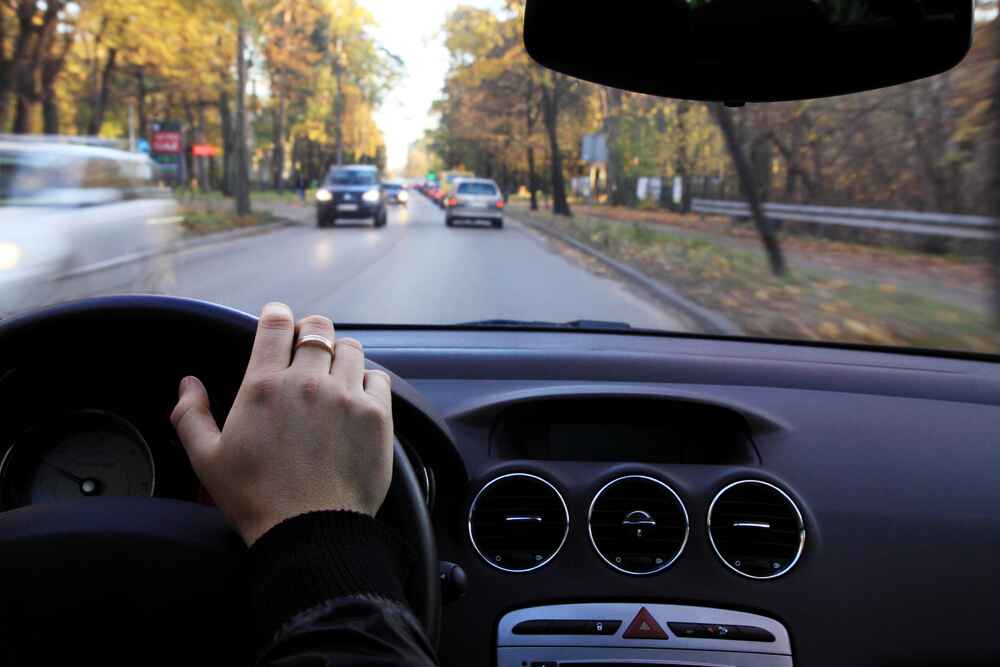
High-Risk Car Insurance in Ottawa 2026: Triggers
If you are searching for Ottawa high-risk car insurance, what triggers it and how to exit, you are not alone. Many Ontario and Canadian driver s in Ottawa find themselves suddenly labelled as high risk and facing much higher insurance rates without fully understanding why.
High-risk car insurance in Ontario can feel overwhelming, expensive, and confusing, especially when you just want straightforward answers and practical guidance you can trust.
Being classified as a high-risk driver usually means that something in your driving record or insurance history has raised concerns with insurance companies. Common triggers include at-fault accidents, multiple speeding tickets, serious driving convictions, missed payments, or a lapse in coverage. Once labelled high risk, drivers often find that fewer providers offer coverage, along with higher monthly premiums, fewer payment options, and stricter policy terms. Understanding how these factors affect your insurance status is the first step toward regaining control and working your way back to standard auto insurance rates.
If you’re comparing coverage options, you can also explore the best insurance quotes for Ottawa car insurance to see how accident forgiveness fits into your overall policy and pricing.
What Is High-Risk Car Insurance in Ontario?
High-risk car insurance is a form of auto insurance that works the same as standard insurance policies but caters to individuals who are more likely to file claims, be involved in a car accident, or miss payments. In Ontario, insurance companies assess risk by reviewing your driving record, insurance history, and other risk-related characteristics that indicate a higher chance of future claims or financial issues. Insurance providers rely heavily on past behaviour to predict future risk, which is why even older incidents on your record can continue to affect your classification.
In situations where no insurer is willing to offer a standard car insurance policy, this type of coverage becomes necessary. Repeated driving violations, multiple accidents, or payment problems can make a driver ineligible for regular auto insurance through most insurance companies operating in Ontario.
Once you are considered high risk, many insurance companies will either decline coverage altogether, meaning high-risk drivers are often required to purchase insurance through specialized or high-risk providers due to their increased risk profile. As a result, drivers are placed into a high-risk insurance policy, often referred to as non-standard car insurance in Ontario, which usually includes stricter terms and limited flexibility.
High-risk drivers in Ottawa can obtain insurance from specialized insurers such as Jevco, Echelon, and Pafco, but if coverage is unavailable through the voluntary regular market, they may need to purchase high-risk auto insurance through the Facility Association residual market. In Ontario, the Facility Association acts as a last resort, allowing drivers to remain legally insured when standard options are no longer available, though this coverage typically comes with very high insurance premiums.
What Is Facility Insurance and How Does the Facility Association Work?
Facility insurance exists to ensure every licensed driver in Ontario can access insurance coverage, even if they are viewed as a significant risk by most insurance providers. This system helps prevent situations where drivers are left uninsured and unable to legally drive due to past driving or payment issues.
To make this possible, the Facility Association operates as a risk-sharing pool funded by the insurance industry. Costs and risks are spread across multiple insurance companies, allowing high-risk drivers to obtain coverage when they no longer qualify through the standard insurance market.
Oversight and consumer guidance are provided by the Financial Services Regulatory Authority of Ontario (FSRA). FSRA offers resources for drivers using the Facility Association, which is widely known as the province’s “insurer of last resort.”
Rather than functioning as a separate insurance company, facility insurance policies are assigned among participating insurers. This structure allows high-risk drivers to remain legally insured while insurers continue to review their driving and insurance records.
Because it is intended only as a temporary solution, facility insurance is considered the last resort in the insurance market and usually comes with very high insurance premiums, stricter payment terms, and limited flexibility compared to standard auto insurance coverage.
Checkout:
- Young Drivers Insurances
- Experienced Drivers Insurance
- Do Males Pay More Than Females On Car Insurance?
- Careless Driving in Ontario
- High risk driver insurance
Who Is Considered a High-Risk Driver?
A high-risk driver is someone who presents a higher statistical likelihood of claims or payment issues based on past behaviour. Insurance companies classify drivers as high-risk when data shows they are more likely to file a claim, be involved in an accident, or create higher costs for the insurer over time.
In Ottawa, Ontario, drivers generally need high-risk car insurance due to a poor driving or insurance payment history. This can include missed payments, policy cancellations, or gaps in coverage that suggest financial instability or inconsistent insurance habits.
Drivers may also be labelled high risk after experiencing multiple at-fault accidents, accumulating frequent traffic violations, being charged with reckless driving, or driving under the influence of drugs or alcohol, which is one of the most dangerous driving practices and will automatically require high-risk auto insurance. These patterns signal risky behaviour and increase the perceived risk to insurance providers, often resulting in higher premiums and fewer coverage options.
What Is Considered a Poor Driving Record and Dangerous Driving Habits?
Your Driving Record and Risk Assessment
Your driving record plays a major role in how insurance providers assess risk. A poor driving record signals unsafe behaviour behind the wheel and suggests a higher likelihood of future insurance claims, which can result in higher premiums or limited coverage options.
Risky Driving Behaviour Patterns
High-risk drivers typically have a history of risky driving behaviour, including excessive speeding, careless driving, aggressive manoeuvres, or driving under the influence. These patterns indicate ongoing risk rather than isolated mistakes.
Frequent Minor Traffic Violations
Even minor traffic violations can add up over time. Repeated infractions such as rolling stops, improper lane changes, or minor speeding offences may still lead to a high-risk label when they occur regularly.
Multiple Speeding Tickets in a Short Time
Multiple speeding tickets can classify a driver as high-risk, especially when they happen within a short period. This behaviour suggests a disregard for the speed limit and raises concerns about overall driving habits.
Serious Offences and Dangerous Driving Habits
Speeding tickets, reckless driving, dangerous driving habits, and consistently ignoring posted speed limits significantly increase the likelihood of being classified as high risk by insurance companies.
Multiple Convictions on Your Record
Drivers with multiple convictions are considered high-risk because repeated offences indicate a pattern of not obeying the road rules, which increases the probability of accidents and insurance claims.
Long-Lasting Impact of Serious Convictions
Serious driving convictions can impact your driving and insurance record for up to six years, affecting insurance rates long after the incident has occurred.
Stricter Impaired Driving Penalties in Ontario
In 2026, Ontario implemented stricter roadside penalties for impaired driving and allowed police to review a driver’s record for up to 10 years for such incidents, making impaired driving one of the most serious risk factors for long-term high-risk classification.
How Do At-Fault Accidents and Insurance Claims Affect Your Insurance?
At-fault accidents are one of the strongest indicators of risk in the insurance industry because they show a pattern of responsibility for losses. Insurers view these incidents as clear evidence that a driver is more likely to be involved in future claims.
When a driver has numerous at-fault accidents within a three to six-year period, it becomes a key indicator of elevated risk. This history suggests ongoing issues rather than a single, isolated mistake.
In many cases, multiple at-fault accidents occurring within a short period will almost automatically result in a high-risk classification. Insurance companies see this as a warning sign that driving habits have not improved.
Too many accidents, especially when they are combined with traffic tickets or other violations, almost always lead to higher premiums. This combination increases both the frequency and severity of potential insurance claims.
It is also important to understand that at-fault accidents do not disappear quickly. These incidents can remain on your record for up to five years before being removed, continuing to affect your insurance rates during that time.
Each car accident raises insurance premiums because it demonstrates a higher probability of future insurance claims, making insurers more cautious when pricing or offering coverage.
Why Do Insurance Payment Issues and Financial Responsibility Matter to Insurers?
Payment history matters just as much as driving behaviour when insurance providers assess risk. Non-payment, missed payments, or cancelled policies are often viewed as signs of financial irresponsibility and raise concerns about a driver’s ability to maintain consistent coverage.
When a policy is cancelled due to non-payment, it sends a strong warning signal to future insurers. These cancellations suggest instability and make insurance companies more cautious about offering coverage or flexible payment options.
From an insurer’s perspective, drivers with cancellations for non-payments are considered high-risk because there is a belief they may also neglect taking care of their vehicle or fail to meet other financial obligations tied to insurance coverage.
Many insurance companies view individuals who struggle to pay their car insurance premiums as high-risk drivers. The concern is not only about missed payments but also the potential for deferred vehicle maintenance, which increases the likelihood of claims.
Gaps in insurance coverage can also have serious consequences. A lapse in coverage often leads to being classified as a high-risk driver, especially when there is no clear explanation for the break in insurance history.
As a result of these factors, high-risk drivers typically have limited payment options available to them. Monthly payments for high-risk auto insurance can range from $515 to $880, with an average payment of $681, and often come with added fees, stricter terms, or requirements to pay premiums upfront.
What Other Risk-Related Characteristics Can Affect Your Risk Level?
Insurance providers also consider additional risk-related characteristics when determining whether a driver falls into the high-risk category. These factors go beyond accidents and tickets and help insurers assess overall reliability and experience behind the wheel.
License suspensions and other serious offences: A suspended licence or serious offence often points to repeated violations or major infractions. These situations raise concerns about a driver’s ability to follow road rules and maintain safe driving habits.
Criminal driving convictions: Convictions such as impaired driving or dangerous driving have a long-lasting impact on your record. Insurers view these offences as indicators of higher risk and potential for severe insurance claims.
A long gap in your insurance history: Breaks in insurance coverage can suggest inconsistent insurance habits or financial instability. A long gap in your insurance history often makes insurers more cautious when offering coverage.
Driving a high-risk vehicle: Certain vehicles are considered higher risk due to performance, repair costs, or theft rates. Driving a high-risk vehicle can increase premiums and limit insurance options.
Young or new drivers with limited experience: Young and inexperienced drivers are statistically more likely to be classified as high-risk due to their lack of driving experience and limited insurance history. Drivers under 25 years old usually have higher accident rates. Drivers under 25 or new residents with limited experience or a lapse in coverage may be treated as higher risk until they establish a consistent driving and insurance history.
How Much Does High-Risk Car Insurance Cost in Ottawa?
The average cost for high-risk auto insurance in Ontario is approximately $7,864 per year, or about $595 per month, making it a significant financial commitment for many households. High-risk auto insurance is considerably more expensive than a regular policy in Ontario, and these costs can vary based on your driving record, postal code, and the type of vehicle you insure, as drivers in larger cities where accidents and thefts happen more often typically pay more for high-risk coverage than those in rural areas.
To put the difference in perspective, the average car insurance premium for standard coverage in Ontario is about $2,006, which means high-risk drivers could pay double or even triple that amount.
In many cases, annual insurance rates climb even higher. High-risk drivers can expect to pay anywhere between $8,000 and $10,000 a year in insurance rates when they renew their car insurance, especially if they have multiple accidents or serious convictions on their record. High-risk auto insurance is considerably more expensive than a regular policy in Ontario, with premiums typically increasing by 20% to 300% or more, depending on the level of risk involved.
Several factors contribute to these elevated costs, including inflation and high repair costs, which are significant economic factors influencing car insurance rates in Ottawa through 2026. Higher premiums often reflect increased labour costs related to claims handling, greater legal exposure, and a higher frequency of car accidents associated with high-risk drivers, all of which increase the overall cost to insurance providers.
What Does High-Risk Auto Insurance Cover?
High-risk auto insurance provides the same legally required insurance coverage as standard policies, ensuring drivers meet Ontario’s minimum legal requirements to operate a vehicle. Even though premiums are higher, this coverage allows high-risk drivers to remain legally insured and maintain essential financial protection on the road.
This includes:
- Third-party liability coverage, which covers injuries or property damage you cause to others in an accident, requires high-risk drivers to carry higher limits, such as $2 million, to mitigate the risks associated with reduced mandatory benefits.
- Accident benefits, which help pay for medical expenses, rehabilitation costs, and income replacement following a car accident.
- Uninsured automobile coverage protects you if you are involved in a collision with an uninsured or unidentified driver.
While these core protections are mandatory, optional auto insurance coverage may be limited or come at a higher cost for high-risk drivers. Extras such as collision or comprehensive coverage often carry higher deductibles or stricter terms.
Effective July 1, 2026, Ontario has moved to a “build-your-own” insurance model, allowing optional benefits to be selected individually, which can help some drivers manage premiums more effectively.
How Long Will You Be Considered High-Risk?
Most drivers can expect to remain in the high-risk driver category for 3 to 6 years, depending on the severity and frequency of the incidents on their record. Drivers with multiple traffic violations or involvement in a serious accident may remain classified as high risk for a longer period than those with isolated issues. During this time, high-risk insurance companies regularly review your auto insurance policy to assess whether your risk level has improved.
Traffic tickets, suspensions, and cancellations for non-payments are typically removed from your record after three years, provided no new violations occur. At-fault accidents can take up to five years before removal. Once these incidents fall off your record, your high-risk policy and overall high-risk insurance coverage may be reassessed, allowing you to transition out of the high-risk category.
How to Exit the High-Risk Category
You will not always be classified as a high-risk driver; maintaining a clean record can help you lose this status over time. Insurance providers regularly reassess risk, and consistent improvement plays a key role in changing how you are viewed.
To exit the high-risk category, you must remain claims-free and actively work to improve your standing with your insurance provider. This includes avoiding traffic violations, making payments on time, and keeping continuous insurance coverage in place.
Maintaining a clean driving record over time can help high-risk drivers transition back to standard insurance and access lower car insurance rates. In summary, you can return to standard insurance if you maintain a clean driving record and demonstrate responsible driving behaviour year after year.
Steps That Help Lower High-Risk Insurance Costs
- Higher deductibles, and usage-based insurance programs can help high-risk drivers reduce their insurance premiums over time.
- You can potentially secure a lower insurance rate by completing a defensive driving course. Defensive driving helps demonstrate responsible behaviour to insurance providers.
- Telematics programs can provide discounts for high-risk drivers who demonstrate safe driving behaviour, and installing winter tires may qualify you for a winter tire discount.
- Bundling high-risk auto insurance with home insurance or other policies can help reduce overall premiums and save money over time.
- Paying your premium upfront can help avoid additional fees associated with monthly payments and may make high-risk coverage more manageable.
- Maintaining continuous coverage is one of the best ways to keep your premiums as low as possible.
- Consistently carrying insurance and driving safely over time will prove to insurance providers that your habits have improved.
Readmore:
Working With a High-Risk Insurance Broker in Ottawa
Working with an insurance broker can make a meaningful difference for high-risk drivers who feel limited by their options. An experienced broker understands how different insurance companies assess risk and can guide you toward coverage that fits your situation, including options that bundle auto and home insurance.
A high-risk insurance broker is essential for accessing non-standard markets and has access to multiple high-risk providers and insurers, allowing them to compare quotes from specialized insurers. This allows them to compare options that are not always available to consumers searching on their own.
By shopping around on your behalf, a broker can often uncover better rates and more suitable coverage options for high-risk auto insurance. This comparison process helps ensure you are not paying more than necessary for the coverage you need.
In many cases, an experienced broker can also help you avoid Facility insurance when possible. They can create a longer-term strategy that focuses on improving your record and planning a clear path back to standard auto insurance.
Returning to Standard Car Insurance
Once your record improves, you may qualify for a standard car insurance policy again and regain access to bundled auto and home insurance options. This usually happens after previous tickets, accidents, or payment issues are removed from your record and you have demonstrated consistent, responsible driving.
At that stage, your broker will review your insurance record, insurance claims history, and driving record to determine eligibility. They will also assess how long you have maintained continuous coverage and whether there have been any recent violations.
Most insurance companies require clear proof of improved driving behaviour before offering lower rates. Staying claims-free, avoiding traffic violations, and making on-time payments all help show insurers that your risk level has decreased and that you are ready to return to standard coverage.
Read more:
- The Ideal Height and Weight to Sit in Front Seat -Ontario Full Guide
- Stunt Driving in Ontario Everything You Need to Know
- Car safety certificate Ontario – Safety Inspection | Ultimate Guide
- A Full Guide to Temporary Car Insurance – Ontario
- Do I Need To List A G1 Driver On My Insurance Policy?
- Car Tag Tracking Systems in Ontario
Why Choose McDougall Insurance
McDougall Insurance understands the challenges of high-risk auto insurance in Ottawa. With access to multiple insurance companies, experienced brokers, and a focus on long-term solutions, McDougall helps drivers secure coverage today and work toward lower rates tomorrow.
Get Help With High-Risk Car Insurance in Ottawa
If you are struggling with high-risk car insurance, McDougall Insurance can help. A licensed insurance broker will review your situation, find appropriate insurance coverage, and help you exit the high-risk category as quickly as possible.
Contact McDougall Insurance today to explore your high-risk auto insurance options and start your path back to standard coverage.
FAQs About High-Risk Car Insurance in Ottawa
What triggers high-risk car insurance in Ottawa?
High-risk car insurance is usually triggered by a poor driving record, at-fault accidents, non-payment or missed payments, and criminal driving convictions. These factors signal a higher risk to insurance companies and often result in higher premiums or limited coverage options.
How long does high-risk status last?
High-risk status typically lasts between three and six years, depending on the severity of the incidents on your record. Maintaining a clean driving and insurance history can help shorten this period.
Is Facility insurance permanent?
Facility insurance is not permanent and is reviewed on an annual basis. Drivers can move out of Facility insurance once their risk profile improves and other insurers are willing to offer coverage.
Can defensive driving really help?
Yes, completing a defensive driving course can help demonstrate responsible behaviour to insurers. In some cases, it can contribute to lower premiums or improved insurance options over time.
Are young drivers always high risk?
Young drivers are often considered high risk initially due to limited insurance history and driving experience. As they build a clean record, many can transition to standard insurance rates.
Talk to a Local Ottawa Insurance Expert
Accident forgiveness can be a valuable part of your auto insurance coverage, but only if it fits your driving history and long-term goals.
At McDougall Insurance, our Ottawa insurance experts help drivers compare quotes, understand optional coverage, and choose policies that protect both their vehicles and their budgets.
Review your auto insurance policy today, explore accident forgiveness options, and make sure your coverage is working for you.
Contact McDougall Insurance to compare Ottawa car insurance rates and save money with confidence.

You Might Want to Read
September 14, 2026
Welcome UnitedLink Insurance to the McDougall Team!
July 8, 2026
What Do Accident Benefits Cover in Ontario?

July 8, 2026
Who Should NOT Opt Out of Accident Benefits (Ontario Guide)