
Electric Car Insurance, Ottawa
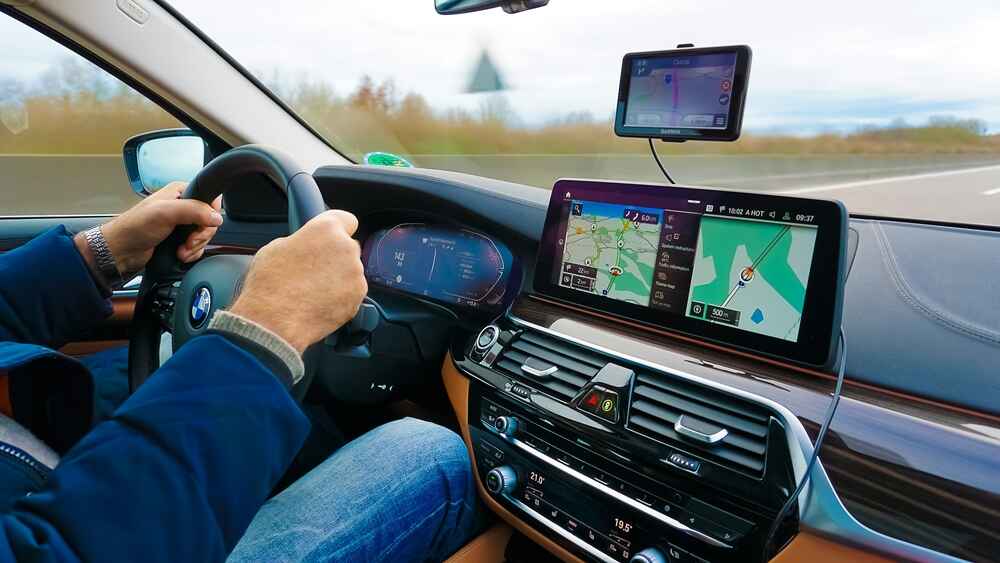
Electric cars have quickly become a familiar sight on Ottawa roads. From the Tesla Model 3 to the Nissan Leaf and Chevrolet Bolt, more drivers are choosing electric vehicles to lower fuel costs and reduce their carbon footprint.
As this shift continues, understanding electric car insurance, Ottawa is just as important as choosing the right vehicle. While electric vehicle insurance follows the same Ontario rules as any other car insurance policy, electric cars have unique parts and repair needs that make having the right coverage especially important.
At McDougall Insurance, we help Ottawa drivers understand how electric car insurance fits into their broader financial picture. Whether you drive a Tesla Model 3, Nissan Leaf, Chevrolet Bolt, Toyota Prius, Kia Soul EV, or another hybrid or electric vehicle, our goal is to match you with the right coverage at a competitive rate.
How Does Electric Car Insurance Work in Ottawa?
Electric vehicle insurance works the same way as traditional car insurance does. In Ontario, car insurance is required by law for all vehicles, including electric cars. Mandatory coverage for electric vehicles includes third-party liability, accident benefits, and uninsured automobile coverage.
However, electric vehicles may require additional liability coverage for situations specific to electric vehicles, such as charging cables and battery protection. Insurance for electric vehicles is similar to standard car insurance but may require additional coverage for specialized liabilities.
As for Direct Compensation – Property Damage (DCPD), the coverage is optional in Ontario as of January 1, 2024, but highly recommended. DCPD allows you to claim damage to your insured vehicle directly from your own insurance company if another driver is at fault.
How Electric Vehicles Differ From Gas-Powered Cars
When comparing electric vehicles to gas-powered vehicles, the main difference lies under the hood. Here is what that comparison looks like in practical, day-to-day driving.
Parts and Repair Complexity
Electric vehicles have different parts from gas-powered cars, which can affect insurance costs due to repair expenses. EV repairs are generally more expensive because they often require specialized, proprietary OEM parts. For example, repairing the battery system in a Tesla Model 3 or recalibrating sensors in a Chevrolet Bolt may require certified technicians and brand-specific components.
By comparison, gas-powered vehicles typically use widely available parts. A standard engine repair on a gas-powered sedan can often be handled by many repair shops across Ottawa, which helps control costs.
Battery Costs
The battery is the most expensive part of an electric vehicle, sometimes costing over $20,000 to replace. That replacement value directly affects insurance premiums because insurers factor in the potential cost of a total loss.
Gas-powered cars do not carry this type of high-value battery risk. While engine repairs can be expensive, they rarely approach the replacement cost of a full EV battery system.
Repair Time and Technician Availability
EV owners may experience longer repair times due to the limited availability of technicians in Ottawa. Specialized training is required for some EV repairs, especially when working with high-voltage systems.
On the other hand, gas-powered vehicles benefit from a larger pool of trained mechanics. Faster repairs can sometimes mean lower claim costs and less disruption.
Weather Sensitivity in Ottawa
Extreme cold in Ottawa can impact the battery range and performance of electric vehicles. While this does not always lead to claims, it can contribute to service needs or battery-related concerns over time.
Gas-powered cars are also affected by winter, but their fueling and mechanical systems are generally less sensitive to cold-related range issues.
Because of these factors, electric cars tend to be slightly more expensive to insure due to their higher replacement costs and repair complexity. However, as technology advances and more technicians receive specialized training, the gap between insurance costs for electric and gas-powered vehicles may continue to narrow.
Why Electric Car Insurance Can Cost More
Insurance for electric vehicles may be more expensive due to the higher cost of parts and repairs. Insurance companies consider various factors when determining rates for electric vehicles, including the cost of repairs and the vehicle’s market value. Insurance for electric vehicles in Ontario can be higher than for gas-powered vehicles, averaging 30-40% more. The cost of electric vehicle insurance can range from $1,500 to $4,600 per year, depending on various factors. Average annual insurance for an EV in Ontario can range significantly, with some models exceeding $3,000.
Electric vehicles cost more to purchase than many gas-powered alternatives. EVs generally have a higher purchase price, raising the insurer’s risk in case of total loss.
Insurance costs vary by make and model, with luxury models like the Tesla Model X costing significantly more to insure than entry-level models like the Nissan LEAF.
The vehicle type, driver history, and location significantly affect the electric vehicles’ insurance rates. Your driving history and claims history are important factors that insurance companies consider when determining your electric vehicle insurance rates. A clean past driving record will indicate your future driving habits, leading to better rates.
What Coverage Do Electric Vehicle Owners Need?
For most Ottawa drivers, electric vehicle insurance begins with the same standard coverage required for any vehicle in Ontario. However, because electric vehicles have unique components, it is important to understand how each part of your insurance policy applies.
Standard Auto Insurance Coverage
Your policy should include:
- Third-party liability
Covers injury or property damage you cause to others. Choosing appropriate coverage limits is essential, especially for higher-value electric vehicles. - Accident benefits
Pays for medical expenses, rehabilitation, and income replacement after an accident, regardless of fault. - Uninsured automobile coverage
Protects you if your insured vehicle is damaged by an uninsured driver, other vehicles, or in a hit-and-run. - Direct Compensation – Property Damage (DCPD)
Optional in Ontario, but often recommended to simplify claims when another driver is at fault. - Collision coverage
Also optional. Covers damage after an at-fault accident. Typically, if you have collision coverage, your EV’s batteries will be covered if they are damaged in an accident. - Comprehensive coverage
Another optional coverage that covers risks such as theft or fire. Electric vehicle insurance may cover perils related to the battery, such as defects or fire damage from a faulty battery.
Additional EV-Specific Protection
Electric vehicles may require additional liability coverage for risky situations such as charging cables, charging stations, and EV battery protection. Insurance policies for electric vehicles should cover significant risks such as charging station damage and specialized towing.
If you install a charging station at home, you need to update your home insurance policy to include the charging station equipment. EV owners should also discuss any charging-related liability concerns with their insurance provider to ensure full protection.
Choosing the right coverage options ensures your insured vehicle and your financial security are properly protected.
Hybrid, Plug-In Hybrid, and Fully Electric Vehicles
If you are shopping for a new vehicle, you may be deciding between a hybrid vehicle, a plug-in hybrid, or a fully electric vehicle. On the surface, they may seem similar. However, the way each one is built can influence your electric vehicle car insurance.
Hybrid Vehicle
A hybrid vehicle uses both a gas-powered engine and an electric motor. You do not need to plug it in because the battery charges while you drive.
For many Ottawa drivers, a hybrid car feels like a comfortable middle ground. Insurance costs are often close to comparable gas-powered models, although some insurance companies offer discounts for driving hybrid or electric cars, which can help lower overall car insurance rates. Rates still depend on the make, model, and your driving history.
Plug-In Hybrid
A plug-in hybrid gives you more electric range because you can charge it using a home or public charging station. At the same time, it keeps a gas-powered engine for backup.
From an insurance perspective, this type of electric or hybrid vehicle includes both traditional mechanical parts and electric components. That means insurers look at repair costs for both systems. Discounts may apply, but they vary depending on the insurer and vehicle model.
Fully Electric Vehicle
A fully electric vehicle, also known as one of today’s battery electric vehicles, runs only on electricity. There is no gas-powered engine at all. Common examples in Ottawa include the Nissan Leaf, Chevrolet Bolt, Kia Soul EV, and Tesla Model 3.
+ That said, some hybrid and electric cars are more affordable to insure than others. The Nissan Leaf, Kia Soul EV, and Chevrolet Bolt often fall into lower insurance brackets, while a Tesla Model or Tesla Model 3 may cost more due to repair complexity and parts pricing.
When choosing an EV or hybrid vehicle, it is wise to consider insurance costs along with purchase price and potential fuel savings so you can make a decision that suits your budget.
Which Popular Electric Cars in Ottawa Have Different Insurance Profiles?
Tesla Model and Tesla Model 3
The Tesla Model and Tesla Model 3 are common choices among Ottawa drivers. However, insurance costs can be higher because of proprietary parts and advanced technology. Insurance companies assess repair networks, parts availability, and vehicle value when calculating insurance rates.
Nissan Leaf
The Nissan Leaf is often considered budget-friendly among electric vehicles. Insurance costs tend to be lower compared to those of luxury EVs. As noted earlier, the Nissan Leaf is among the cheapest electric vehicles to insure.
Chevrolet Bolt
The Chevrolet Bolt offers a balance of price and performance. Electric vehicle car insurance for a Chevrolet Bolt is typically mid-range compared to a Tesla Model 3 or a high-end Tesla Model.
Toyota Prius and Hybrid Car Options
The Toyota Prius remains one of the most recognized hybrid vehicle options. A hybrid car, such as the Toyota Prius, may qualify for green vehicle discounts and lower insurance premiums compared to larger vehicles.
What Discounts Are Available for Electric Vehicle Insurance?
Although electric cars can cost more to insure, there are meaningful savings opportunities.
Many major insurers recognize the environmental benefits of electric vehicles and reflect that in their pricing. In practice, discounts often range from 5% to 10%, although some insurance companies offer savings of up to 20% for drivers of hybrid or electric cars. The exact amount depends on the insurer, the vehicle, and your overall profile, but these incentives are designed to reward eco-friendly choices and help offset insurance costs.
In other words, insurance discounts for EVs are on a case-by-case basis, depending on the insurer. You may want to check with your insurer about potential discounts for driving green. Some insurers offer incentives for electric vehicle owners to encourage eco-friendly choices.
Brokers can facilitate access to exclusive group rates for electric vehicle insurance.
Taking advantage of discounts offered and comparing quotes are a few tips that will help trim your premium. You can unlock additional savings by bundling your car and home insurance. Moreover, you can save hundreds of dollars a year just by taking three minutes to compare multiple auto insurance quotes.
What Affects Electric Vehicle Insurance Rates
Insurance companies look at several key factors when calculating electric vehicle insurance rates:
- Driving record: A clean record with no major violations shows lower risk and can lead to better insurance rates.
- Claims history: Frequent past claims may increase your insurance premiums.
- At-fault accident history: Being responsible for previous accidents can significantly affect your rates.
- Vehicle type and model: Repair costs, parts pricing, and overall vehicle value all influence pricing, especially for certain electric vehicles.
- Annual mileage: The more you drive, the higher the risk exposure.
- Location in Ottawa: Urban density, traffic patterns, and theft rates can impact insurance costs.
- Coverage limits selected: Higher liability limits and broader protection increase premiums but offer stronger financial security.
- Optional additional coverages: Adding features such as enhanced roadside assistance or extra EV-related protection will affect the total cost.
Some insurance providers offer a discount if you allow them to monitor your driving habits through a usage-based program. Safe driving habits and a clean record can help reduce insurance premiums over time.
Finally, comparing quotes from multiple insurance providers can help you secure competitive electric vehicle insurance rates and ensure you are not paying more than necessary for your coverage.
Readmore:
- Why Did My Car Insurance Go Up? Ottawa 2026 Guide
- Ottawa Car Insurance: How Long Do Tickets Affect Insurance, Ontario, Ottawa 2026
- At-Fault Accident Insurance Increase in Ottawa 2026
- Accident Forgiveness in Ottawa: Car Insurance 2026
- High-Risk Car Insurance in Ottawa 2026: Triggers
- Ottawa Auto Claims: What to Do in the First 24 Hours
- Comprehensive vs Collision Insurance Ottawa: Key Differences Explained
- Car Theft Insurance Claim Ottawa: What to Do & Coverage Guide
- Snow Tire Discount, Ottawa Car Insurance
- Adding a Teen Driver Ottawa: Insurance Costs and Tips for Parents
Are There Government Incentives for Electric Vehicles?
Yes. The federal government currently offers rebates of up to $5,000 on certain electric vehicles. While that rebate does not reduce your car insurance directly, it does lower the overall cost of buying your vehicle.
Many drivers in Ottawa choose hybrid and electric vehicles to reduce greenhouse gas emissions and lower their carbon footprint. New zero-emission vehicles are becoming more common on local roads, and charging infrastructure continues to grow.
Although electric vehicles often cost more upfront, they can save you money on fuel and maintenance compared to gas-powered vehicles. That is why, when looking at electric vehicle car insurance, it makes sense to consider the full cost of ownership, not just the insurance premium.
How McDougall Insurance Helps Ottawa EV Owners
With so many insurance companies and policy options available, finding the best insurance can feel overwhelming. That is where McDougall Insurance steps in.
Our advisors:
- Compare quotes from multiple insurance providers.
- Explain coverage options in plain language.
- Review coverage limits and additional coverages.
- Identify insurance discounts you may qualify for
- Coordinate car insurance and home insurance bundling
We understand the specialized needs of EV owners in Ottawa, including charging station considerations and cold-weather performance. Whether you drive a Tesla Model 3, Nissan Leaf, Chevrolet Bolt, Toyota Prius, Kia Soul EV, or another EV vehicle, we can help you secure the right coverage for your electric vehicle at competitive insurance rates.
Ready to Compare Electric Car Insurance in Ottawa?
If you are looking for electric car insurance Ottawa drivers can count on, now is a great time to review your options. Comparing quotes from multiple insurance providers can help you find competitive electric vehicle insurance rates and avoid overpaying.
Contact McDougall Insurance today for a personalized quote. Our Ottawa car insurance brokers will explain your coverage options clearly and help you secure the right protection for your electric vehicle.
Conclusion
Electric vehicles are here to stay, and so is the need for the right insurance protection. While electric car insurance follows the same Ontario rules as any other policy, repair costs, battery value, and charging equipment make it important to review your coverage carefully.
By understanding your options, comparing quotes, and taking advantage of available discounts, you can secure protection that fits both your vehicle and your budget. If you drive a hybrid or fully electric vehicle in Ottawa, a quick policy review today can help ensure you are properly covered for tomorrow.
Checkout:
- Young Drivers Insurances
- Experienced Drivers Insurance
- Do Males Pay More Than Females On Car Insurance?
- Careless Driving in Ontario
- High risk driver insurance
- The Ideal Height and Weight to Sit in Front Seat -Ontario Full Guide
- Stunt Driving in Ontario Everything You Need to Know
- Car safety certificate Ontario – Safety Inspection | Ultimate Guide
- A Full Guide to Temporary Car Insurance – Ontario
- Do I Need To List A G1 Driver On My Insurance Policy?
- Car Tag Tracking Systems in Ontario
- How to Transfer Vehicle Ownership in Ontario?
Electric Vehicle Insurance Ottawa – FAQs
Is electric vehicle insurance more expensive than gas-powered car insurance?
In many cases, yes. Insurance for electric vehicles in Ontario can be higher than for gas-powered vehicles, averaging 30-40% more, largely due to repair costs and battery replacement expenses.
Does car insurance cover EV battery damage?
Typically, if you have collision coverage, your EV’s batteries will be covered if they are damaged in an accident. Comprehensive coverage may also respond to certain non-collision events, such as fire.
Do I need special insurance for my home charging station?
Yes. If you install a charging station at home, you need to update your home insurance policy to include the charging station equipment.
Are there discounts for electric or hybrid vehicles?
Yes. Many insurance companies offer discounts for electric vehicles, and some offer up to 20% savings. Discounts vary by insurer and eligibility criteria.
What is mandatory coverage for electric cars in Ontario?
Mandatory coverage includes third-party liability, accident benefits, and uninsured automobile coverage. DCPD is optional but strongly recommended.
Which electric vehicles are cheaper to insure?
Models such as the Nissan Leaf and Kia Soul EV are often among the cheapest electric vehicles to insure, while luxury models like certain Tesla Model variants can cost more.
Does my driving record affect EV insurance rates?
Absolutely. Your driving history and claims history are important factors that insurance companies consider when determining your electric vehicle insurance rates.
Can I bundle electric vehicle insurance with home insurance?
Yes. You can unlock additional savings by bundling your car and home insurance through the same provider or brokerage.
If you are ready to protect your electric or hybrid vehicle with confidence, reach out to McDougall Insurance today and request your tailored electric vehicle car insurance quote for Ottawa.
Readmore:
- Occasional Driver vs Primary Driver in Ottawa, Ontario Explained
- Ottawa Ride-Sharing/Delivery: Does Personal Auto Insurance Cover It?
- Electric Car Insurance, Ottawa
- Ottawa Car Insurance Deductibles: $500 vs $1,000 Explained
- Ottawa Non-Payment Cancellation: How to Reinstate Without Rate Shock

You Might Want to Read

September 14, 2026
Welcome UnitedLink Insurance to the McDougall Team!
July 8, 2026
What Do Accident Benefits Cover in Ontario?

July 8, 2026
Who Should NOT Opt Out of Accident Benefits (Ontario Guide)